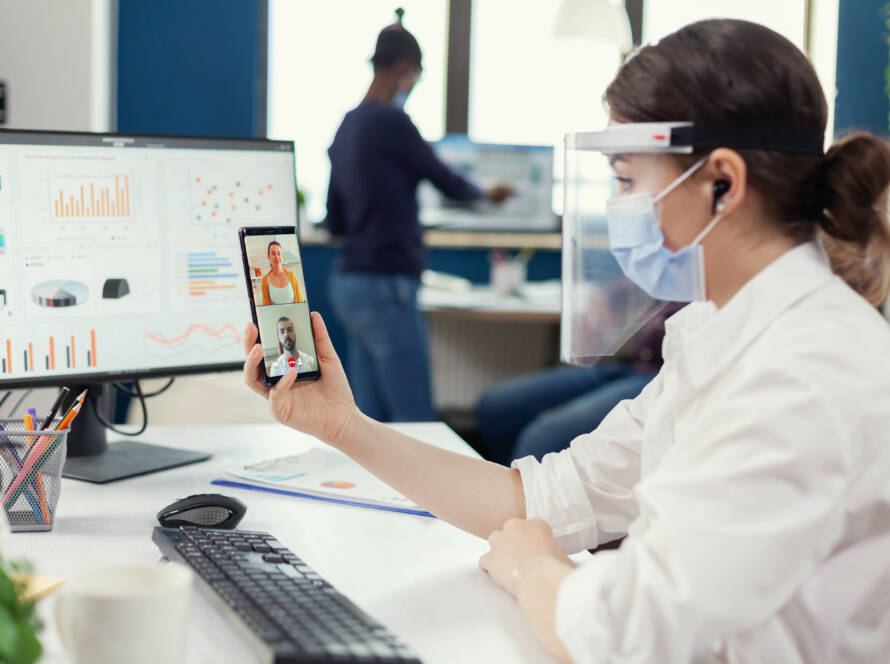
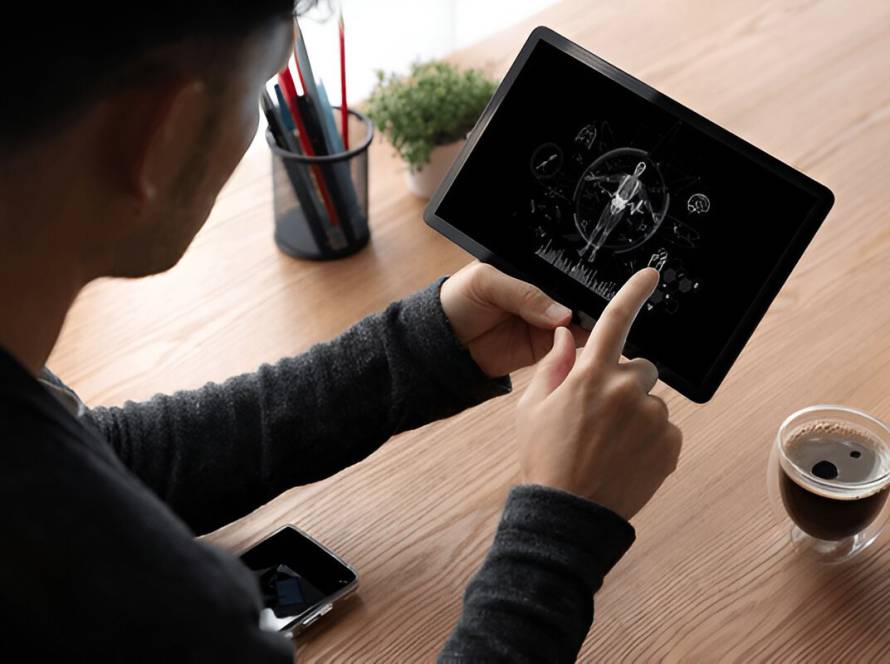
San Francisco has for a long time is known as a healthcare innovation and digital transformation center the world over. As value-based care models accelerate and patient expectations evolve, remote patient monitoring vendors are playing a critical role in reshaping how healthcare is delivered across the region.
Remote Patient Monitoring (RPM) empowers providers to extend care beyond hospital walls using connected technology. Through up-to-date home patient monitoring tools, clinicians are now able to constantly monitor patient health, intervene sooner, and provide individual care on a large scale. To San healthcare organizations, the need to partner with the appropriate RPM vendor has become more of a strategic requirement than a technological upgrade.
At Kaicare.ai, we work with healthcare providers to implement intelligent, compliant and scalable RPM solutions that will help to enhance the outcomes and minimize the cost of care delivery.
 Understanding the Role of Remote Patient Monitoring Vendors
Remote patient monitoring vendors provide the technology, devices, software platforms, and support services that enable RPM programs. Their solutions help providers monitor patient health data remotely and act on insights in real time.
A comprehensive RPM offering typically includes:
- Home patient monitoring devices
- Secure data transmission infrastructure
- Analytics and alert systems
- Integration with EHR and clinical workflows
- Patient onboarding and support
By working with experienced vendors, healthcare organizations gain access to clinically validated tools that support both care quality and operational efficiency.
Why San Francisco Is a Leader in Remote Patient Monitoring Adoption
San Francisco’s healthcare ecosystem combines advanced technology, forward-thinking providers, and a strong focus on patient-centered care. These factors make the region a natural leader in RPM adoption.
Key Drivers Behind RPM Growth
- Rising Chronic Disease Prevalence
Conditions such as diabetes, hypertension, and heart disease require ongoing monitoring beyond episodic visits. - Demand for Home-Based Care
Patients increasingly prefer care delivered through home patient monitoring devices rather than frequent clinic visits. - Value-Based Reimbursement Models
RPM aligns with quality-focused reimbursement by improving outcomes and reducing unnecessary utilization. - Healthcare Workforce Challenges
Remote monitoring reduces staff burden by automating routine data collection and alerts. - Technological Maturity
San Francisco providers are well-positioned to adopt advanced digital health tools.
Home Patient Monitoring Devices: Foundation of Modern RPM
At the core of every RPM program are reliable home patient monitoring devices. These tools allow patients to capture vital health data safely and accurately from home.
Common Devices Used in RPM Programs
- Blood pressure monitors
- Blood glucose meters
- Pulse oximeters
- Smart weight scales
- Wearable heart rhythm monitors
Each patient monitoring device is designed to collect specific health metrics and transmit data securely to care teams for review and intervention.
Importance of FDA Approval in Remote Monitoring
Safety, accuracy, and reliability are essential when monitoring patient health remotely. That is why remote patient monitoring devices FDA-approved are a critical requirement for compliant RPM programs.
Why FDA Approval Matters
- Ensures clinical accuracy
- Reduces liability risks
- Supports reimbursement eligibility
- Builds patient and provider trust
Leading remote patient monitoring vendors prioritize FDA-approved devices to ensure regulatory compliance and high clinical standards.
How Remote Patient Monitoring Equipment Improves Care Delivery
Modern remote patient monitoring equipment goes far beyond simple data collection. When combined with analytics and clinical workflows, RPM transforms how care is delivered.
Clinical Benefits Include:
- Early detection of health deterioration
- Faster response to abnormal readings
- Reduced emergency room visits
- Improved chronic disease control
- Enhanced patient engagement
For example, heart failure patients monitored using connected weight scales and blood pressure devices experience fewer hospital readmissions due to early intervention.
According to the Centers for Medicare & Medicaid Services (CMS), RPM programs improve chronic care management and help reduce overall healthcare costs.
What Sets Leading Remote Patient Monitoring Vendors Apart
With many RPM vendors operating in the market, not all solutions deliver the same value. Top-performing vendors share several defining characteristics.
Key Differentiators
- Clinically validated remote patient monitoring equipment
- Seamless EHR and workflow integration
- Strong cybersecurity and HIPAA compliance
- Patient-friendly device design
- Scalable support models
Healthcare organizations in San Francisco should evaluate vendors based on long-term partnership potential—not just device availability.
Kaicare.ai: Supporting Smarter Remote Monitoring in San Francisco
At Kaicare.ai, we focus on building RPM solutions that align with real-world clinical needs. Our approach combines advanced technology with practical healthcare expertise.
Why Providers Choose Kaicare.ai
- AI-powered health insights
- Flexible support for multiple patient monitoring device types
- End-to-end RPM workflows
- Compliance-ready infrastructure
- Scalable solutions for diverse care settings
Our experience working with healthcare teams allows us to deliver RPM programs that are both clinically effective and operationally sustainable.
Financial and Operational Benefits for Healthcare Organizations
Beyond clinical improvements, partnering with the right remote patient monitoring vendors delivers strong business value.
Organizational Advantages
- New revenue streams through RPM reimbursement
- Reduced hospital readmission penalties
- Lower operational and staffing costs
- Improved patient satisfaction and retention
- Stronger competitive positioning in San Francisco
RPM is increasingly viewed as a strategic investment rather than a short-term technology initiative.
Future Trends in Remote Patient Monitoring
As healthcare continues to evolve, RPM technology will become more intelligent, predictive, and patient-centered.
Emerging Innovations
- AI-driven risk prediction
- Continuous wearable monitoring
- Integration with virtual care platforms
- Population-level health analytics
Healthcare organizations that adopt remote patient monitoring equipment today will be better positioned for future value-based care models.
Choosing the Right Remote Patient Monitoring Vendor
Selecting the right vendor requires careful evaluation of both technology and support capabilities.
Key Considerations
- Use of remote patient monitoring devices FDA-approved
- Proven clinical outcomes
- Ease of patient onboarding
- Transparent pricing and scalability
- Long-term support and innovation roadmap
The right partner enables providers to focus on care delivery while technology works seamlessly in the background.
Learn More About Remote Patient Monitoring with Kaicare.ai
If you’re exploring how remote patient monitoring vendors support modern healthcare delivery, Kaicare.ai provides educational resources, clinical insights, and technology-driven perspectives to help providers better understand RPM implementation. Our focus is on sharing best practices around home patient monitoring devices, compliance-ready workflows, and patient-centered monitoring strategies that align with evolving healthcare standards.
To learn more about how remote patient monitoring is shaping digital healthcare and what to consider when evaluating RPM solutions, visit Kaicare.ai and explore our insights on connected care and remote monitoring technologies.
Frequently Asked Questions (FAQs)
1. What do remote patient monitoring vendors provide?
They deliver devices, software platforms, analytics, and support services for RPM programs.
2. What are home patient monitoring devices?
They are medical devices used by patients at home to collect health data remotely.
3. Why is remote patient monitoring equipment important?
It enables continuous monitoring, early intervention, and improved outcomes.
4. Are remote patient monitoring devices FDA-approved?
Leading vendors use FDA-approved devices to ensure safety and accuracy.
5. Who uses patient monitoring devices?
Hospitals, clinics, home health agencies, and chronic care providers.
6. Are RPM services reimbursed?
Yes, many RPM services are reimbursed under CMS and private payer programs.
7. How do RPM vendors help reduce costs?
They lower readmissions, automate monitoring, and optimize care delivery.
8. What makes Kaicare.ai a strong RPM partner?
AI-driven insights, compliance-ready solutions, and scalable RPM workflows.
9. Can small practices work with remote patient monitoring vendors?
Yes, RPM solutions are designed to scale across practice sizes.
10. How do I select the right RPM vendor?
Evaluate device quality, compliance, integration, and long-term support.