The shift into a new age, which is characterized by digital transformation, patient empowerment, and decision-making on the basis of data. As providers face rising chronic disease rates, staffing challenges, and increasing pressure to improve outcomes, remote patient monitoring devices in healthcare have emerged as a powerful solution.
Remote patient monitoring (RPM) is no longer just a future concept. It is proactively redefining the process of care provided both in hospitals, clinics and home care. With the right remote patient monitoring equipment, healthcare providers can monitor patients continuously, intervene earlier, and deliver high-quality care beyond traditional clinical walls.
At Kaicare.ai, we are assisting the healthcare organizations in San Diego to deploy intelligent, compliant, and scalable RPM solutions that can be used to enhance operations and clinical results.
Understanding Remote Patient Monitoring Devices in Healthcare

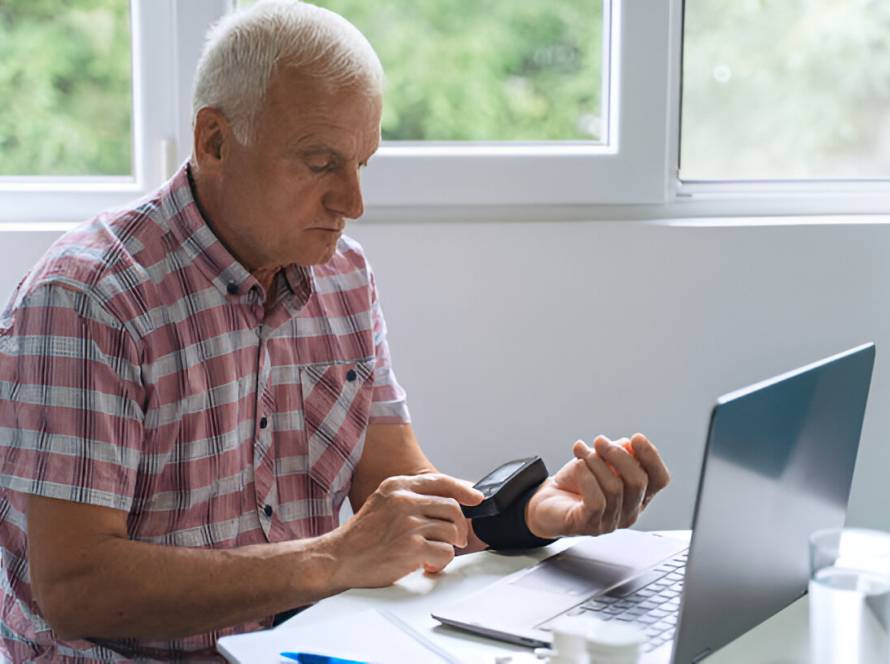
Remote monitoring devices healthcare systems use connected medical devices to collect patient health data in real time or at scheduled intervals. This data is securely transmitted to care teams, enabling proactive clinical decisions without requiring in-person visits.
A typical remote patient monitoring device tracks vital signs such as:
- Blood pressure
- Blood glucose levels
- Oxygen saturation
- Heart rate and ECG
- Body weight
- Temperature
These devices are especially valuable for patients managing chronic conditions, recovering after surgery, or requiring post-discharge follow-up.
Why Remote Patient Monitoring Is Essential for San Diego Healthcare?
San Diego’s healthcare ecosystem is uniquely positioned to benefit from RPM adoption. With its aging population, high prevalence of chronic diseases, and strong focus on innovation, the demand for remote patient monitoring devices in healthcare continues to grow.
Key Reasons for Rapid Adoption
- Chronic Disease Management
Conditions like diabetes, hypertension, and heart disease require continuous monitoring. RPM allows providers to track trends instead of relying on episodic visits. - Hospital Readmission Reduction
Using remote patient monitoring equipment, providers can identify warning signs early and prevent avoidable hospitalizations. - Value-Based Care Alignment
RPM supports outcome-based reimbursement models by improving care quality while lowering costs. - Patient Convenience and Engagement
Patients prefer receiving care from home, increasing adherence and satisfaction. - Workforce Optimization
Remote monitoring reduces the burden on clinical staff by automating data collection and alerts.
Types of Remote Patient Monitoring Equipment Used in San Diego
Healthcare providers work with various types of remote monitoring devices healthcare systems depending on patient needs and clinical goals.
Common RPM Devices
- Connected blood pressure monitors for hypertension management
- Continuous glucose monitors (CGMs) for diabetes care
- Pulse oximeters for respiratory conditions
- Smart weight scales for heart failure monitoring
- Wearable ECG devices for cardiac rhythm tracking
Each remote patient monitoring device integrates with software platforms that aggregate data, trigger alerts, and provide actionable insights for clinicians.
Clinical Impact: How RPM Improves Patient Outcomes
The real value of remote patient monitoring devices in healthcare lies in measurable clinical improvements.
Improved Outcomes Include:
- Earlier detection of health deterioration
- Reduced emergency department visits
- Better medication adherence
- Faster clinical interventions
- Improved chronic condition control
For example, heart failure patients monitored daily with RPM equipment experience fewer hospitalizations due to early weight fluctuation alerts.
According to the Centers for Medicare & Medicaid Services (CMS), RPM programs have demonstrated improved chronic disease outcomes and reduced care costs.
🔗 Source: https://www.cms.gov/medicare/medicare-general-information/telehealth/remote-patient-monitoring
Regulatory Compliance and Reimbursement Considerations
One of the biggest advantages of RPM adoption today is reimbursement support. CMS and many private payers now recognize the value of remote patient monitoring devices in healthcare.
Key Compliance Factors
- FDA-cleared devices
- HIPAA-compliant data handling
- Secure patient consent workflows
- Accurate documentation and reporting
Healthcare providers working with experienced remote patient monitoring companies can ensure compliance while maximizing reimbursement opportunities.
The Role of Technology and AI in Remote Monitoring
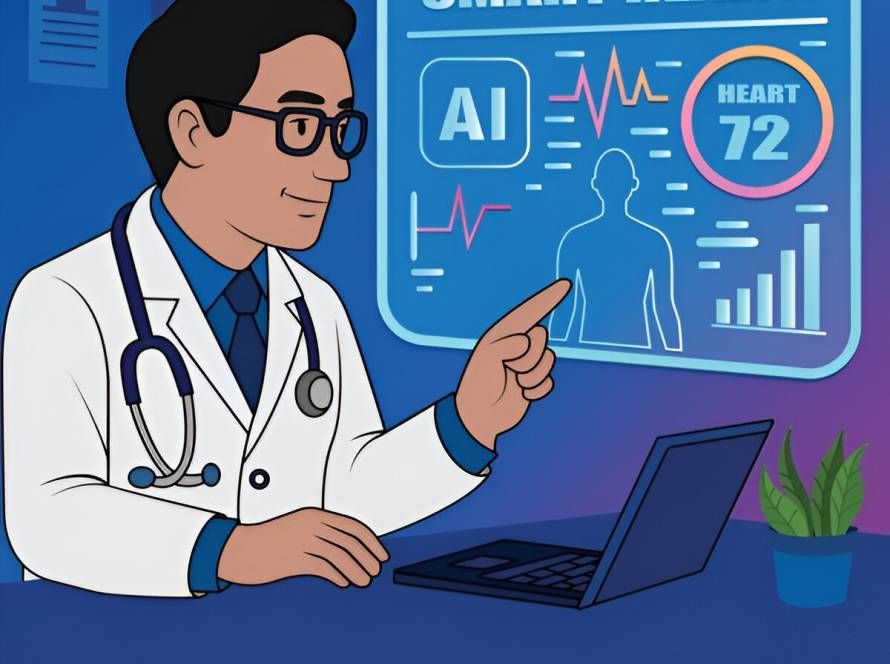
Modern remote monitoring devices healthcare platforms go beyond simple data collection. Advanced solutions use artificial intelligence to analyze patient trends and predict risks before symptoms escalate.
AI-Powered Capabilities Include:
- Predictive alerts for deterioration
- Risk stratification across patient populations
- Personalized care recommendations
- Automated reporting for clinicians
At Kaicare.ai, we leverage AI-driven insights to transform raw data into actionable intelligence, helping care teams intervene at the right time.
Choosing Among Top Remote Patient Monitoring Companies
San Diego providers have access to several top remote patient monitoring companies, but choosing the right partner is critical.
What Sets the Best RPM Providers Apart
- Proven clinical experience
- Device-agnostic platform compatibility
- Strong cybersecurity standards
- Seamless EHR integration
- Dedicated provider and patient support
Not all remote patient monitoring companies deliver the same level of reliability, scalability, or long-term value.
Kaicare.ai: Trusted RPM Partner for San Diego Providers
Kaicare.ai is designed to meet the real-world needs of modern healthcare organizations. Our RPM solutions focus on usability, compliance, and clinical impact.
Why Providers Choose Kaicare.ai
- Intelligent RPM workflows
- AI-enhanced data insights
- Flexible integration with existing systems
- Support for chronic and post-acute care
- Scalable solutions for small practices and large systems
Our experience working directly with healthcare teams ensures that every remote patient monitoring device implementation aligns with both patient outcomes and operational goals.
Commercial Benefits of Remote Patient Monitoring
Beyond clinical improvements, remote patient monitoring devices in healthcare offer significant business advantages.
Organizational Benefits
- Increased RPM reimbursement revenue
- Lower operational costs
- Reduced staff burnout
- Improved patient retention
- Competitive differentiation in San Diego’s healthcare market
RPM is not just a clinical investment—it is a strategic growth initiative.
The Future of Remote Monitoring in San Diego
As digital health continues to evolve, remote monitoring devices and healthcare solutions will become even more advanced.
Emerging Trends
- Continuous wearable monitoring
- AI-powered population health analytics
- Integration with virtual care and telehealth
- Personalized patient engagement tools
San Diego healthcare providers that invest in RPM today will be better positioned for tomorrow’s value-driven healthcare landscape.
Frequently Asked Questions (FAQs)
1. What are remote patient monitoring devices in healthcare?
They are connected medical devices that collect patient health data remotely and transmit it to providers.
2. Who benefits most from remote patient monitoring equipment?
Patients with chronic conditions, post-surgical needs, or long-term monitoring requirements.
3. Are remote monitoring devices healthcare systems secure?
Yes, when provided by compliant vendors using HIPAA-grade security.
4. How do remote patient monitoring devices reduce hospital visits?
They allow early detection and timely interventions before conditions worsen.
5. Are RPM services reimbursed by insurance?
Yes, many services are reimbursed through CMS and private payers.
6. What conditions are best suited for RPM?
Diabetes, hypertension, heart failure, COPD, and cardiac conditions.
7. How do remote patient monitoring companies support providers?
They provide devices, platforms, analytics, onboarding, and ongoing support.
8. What makes Kaicare.ai a reliable RPM provider?
Clinical expertise, AI-driven insights, compliance readiness, and scalable solutions.
9. Can small clinics use remote patient monitoring devices?
Yes, RPM solutions are designed to scale across practice sizes.
10. How do I choose the right remote patient monitoring device?
Look for FDA clearance, data accuracy, patient usability, and integration support.