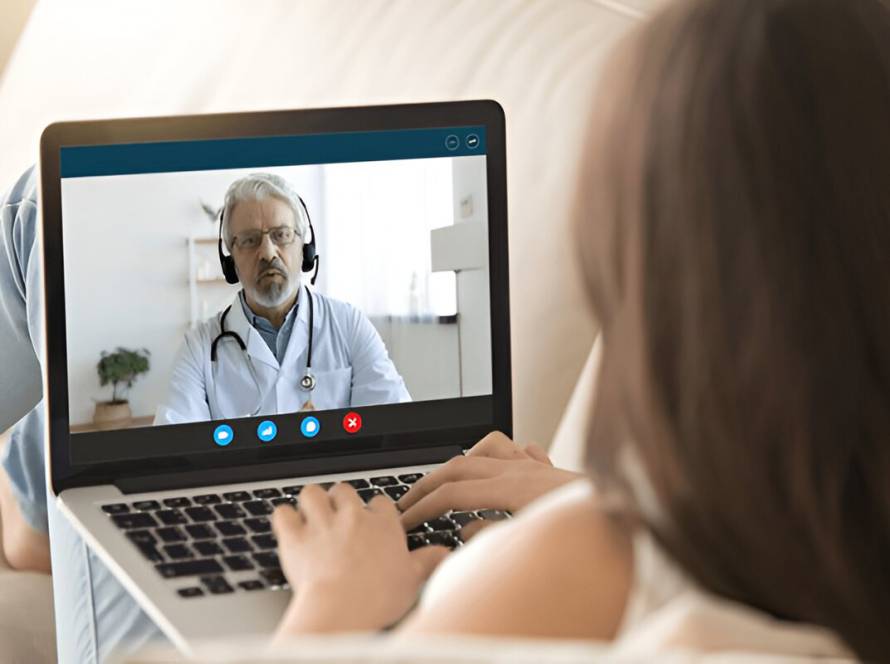
Remote Chronic Care Management in Houston: Improving Long-Term Care Through Virtual Monitoring
The city of Houston is the hub of health care innovation in Texas and is home to some of the most developed medical facilities in the country as well as a large number of community clinics and independent caregivers. The region is ever evolving and therefore, the need to have long-term, coordinated care of patients living with chronic conditions continues to increase.
Most of the healthcare utilization has now been taken up by chronic illnesses like diabetes, cardiovascular disease, COPD, and hypertension. To address this challenge effectively, providers across Houston are increasingly adopting remote chronic care management models that combine digital engagement, virtual monitoring, and coordinated clinical workflows.
By integrating chronic care management technology into everyday practice, healthcare organizations can deliver continuous, proactive care–improving patient outcomes while controlling long-term costs.
At Kaicare.ai, we assist healthcare organizations in intelligent, scalable solutions to assist in transforming long-term care with the help of technology-based management.
What Is Remote Chronic Care Management?
Remote chronic care management is a technology-enabled care model designed to support patients with two or more long-term conditions outside of traditional in-person visits. There is no episodic treatment in remote CCM rather, there will be a focus on constant interaction, prevention, and responsibility between patients and care teams.
Such a strategy normally involves:
- Care coordination activities on a monthly basis.
- Telephone check-ins and follow-ups.
- Ongoing health information assessment.
- Self-management and patient education
- Primary-specialty care collaboration.
Remote CCM, which is powered by a chronic care software, enables providers to keep the visibility of patient health and minimizes the needless clinic visits.
Why Remote Chronic Care Management Matters in Houston?
The size of Houston, diversity and the burden of chronic diseases in it precondition the suitability of remote care models in the city. The Texas Department of State Health Services reported that the most common causes of death and disability in the state are chronic illnesses, and the urban centers such as Houston have a high demand of long-term care services.
🔗 Source: https://www.dshs.texas.gov/chronic-disease-prevention
Houston-Specific Challenges Addressed by Remote CCM
1. High Population Density
Remote care eliminates the overcrowding in clinics and hospitals.
2. Socioeconomic and Physical Environmental Access Barriers.
Virtual monitoring enables patients to be attended to irrespective of their mobility and distance.
3. Health Equity Reflections.
The remote programs assist the underserved groups in remaining connected to the care team.
4. Complex Patient Needs
Patients with various conditions enjoy the advantages of constant monitoring and coordination.
Role of Remote Patient Monitoring Equipment in Long-Term Care
A core pillar of remote chronic care management is the use of reliable remote patient monitoring equipment. The devices can be used to collect vital health data in houses of patients during the whole time.
Commonly Used Monitoring Devices
- The digital blood pressure cuffs.
- Biomarker-based blood glucose monitoring.
- Respiratory tracking pulse oximeters.
- Heart failure smart scales.
- Heart rate and activity wearable sensors.
This equipment enters the data into centralized care platforms where clinicians can identify changes in time and take the necessary action before complications can cause acute care.
The Agency for Healthcare Research and Quality (AHRQ) recommends remote monitoring as one of the key elements in the management of chronic diseases, as it helps in the timely clinical decision-making.
🔗 Source: https://www.ahrq.gov/digital-health/remote-monitoring/index.html
Chronic Care Software: Connecting Data, Care Teams, and Patients
Any successful remote CCM program is based on technology. More complicated chronic care software is used to make sure that all data of monitoring devices, the contact with patients, and care plans are combined into the one fully functional system.
Key Capabilities of Modern Chronic Care Software
- CO-centralized care plans development and renewal.
- Patient two-way messaging security.
- Automated notifications on the abnormal trends.
- Connection with EHR and billing.
- Quality and compliance reporting tools.
By leveraging chronic care management technology, Houston providers can reduce administrative complexity while improving care continuity.
How Chronic Care Solutions Improve Patient Engagement?
Among the strongest effects of chronic care solutions, there is a heightened patient involvement. Patients who feel supported between visits will follow treatment regimes and take an active part in the process of treatment.
Patient-Centered Benefits-
- Having a clear vision of health objectives.
- On-time care team feedback.
- Increased adherence to medication.
- More confidence in self-management.
A study by the National Institute on Aging establishes that regular check-ups and involvement of patients contribute greatly to the long-term success of patients with chronic illnesses.
Provider Benefits of Remote Chronic Care Management
For healthcare providers in Houston, remote chronic care management delivers both clinical and operational advantages.
Clinical Advantages
- Early identification of deterioration
- Reduced emergency department utilization
- Improved chronic disease control
- Stronger continuity of care
Operational Advantages
- Better staff efficiency
- Scalable patient management
- Improved performance under value-based care models
- Predictable CCM reimbursement
These benefits allow care teams to focus more on meaningful patient interactions and less on reactive care.
Kaicare.ai: Advancing Remote Chronic Care Management in Houston
In Kaicare.ai, we assume that chronic care needs both human knowledge and smart technology to make it effective. Our solutions are designed to support healthcare organizations delivering remote chronic care management at scale–without sacrificing quality or trust.
How Kaicare.ai Supports Houston Providers?
- Combined remote patient monitoring equipment work-flows.
- Wise chronic care computer systems.
- Risk identification of patients AI.
- Tools of care coordination were in line with practice.
- Reporting and documentation that is compliance ready.
Being exposed to different healthcare environments helps us to provide chronic care solutions that can be customized to meet the special demands of the patient populations in Houston.
Compliance, Privacy, and Trust in Remote Care
Trust is foundational to long-term care relationships. Leading chronic care management technology platforms prioritize:
- Data protection that is HIPAA compliant.
- Safe communications with patients.
- Open documentation procedures.
- Regulatory alignment
The Office of the National Coordinator for Health Information Technology (ONC) states that secure digital health tools are a key factor in ensuring that patients trust them and increase access to care.
Economic Impact of Remote Chronic Care Management
From a financial perspective, remote CCM helps healthcare organizations manage rising costs while improving care quality.
Financial Benefits
- Monthly CCM reimbursement opportunities
- Reduced hospital readmissions
- Lower emergency care utilization
- Improved resource allocation
For Houston providers navigating cost pressures, chronic care management technology offers a sustainable path forward.
The Future of Remote Chronic Care Management in Houston
As healthcare continues to evolve, remote chronic care management will become increasingly predictive, personalized, and integrated.
Emerging Trends
- AI-driven risk stratification
- Deeper integration of RPM and CCM
- Personalized care pathways
- Population health analytics
Houston’s healthcare ecosystem is well-positioned to lead this transformation through early adoption of advanced chronic care solutions.
Choosing the Right Chronic Care Technology Partner
Selecting a partner for remote CCM is a strategic decision.
Key Evaluation Criteria
- Proven experience in remote chronic care programs
- Flexible and scalable chronic care software
- Integration with existing systems
- Patient-friendly tools
- Long-term innovation roadmap
The right partner ensures technology enhances care—rather than complicating it.
Learn More About Remote Chronic Care Management with Kaicare.ai
If you’re exploring how remote chronic care management can strengthen long-term care delivery in Houston, Kaicare.ai offers educational insights and technology-driven perspectives on connected care. Our goal is to help healthcare organizations understand how chronic care management technology, virtual monitoring, and coordinated workflows can support better patient experiences and sustainable care models.
Visit Kaicare.ai to explore how modern chronic care solutions are shaping the future of long-term healthcare.
Frequently Asked Questions (FAQs)
1. What is remote chronic care management?
It is continuous care for chronic conditions delivered through digital tools and virtual monitoring.
2. How does remote patient monitoring equipment help?
It enables real-time tracking of patient health from home.
3. What role does chronic care software play?
It centralizes data, communication, and care coordination.
4. Are chronic care solutions reimbursed?
Many services are reimbursed under Medicare and private payers.
5. Is chronic care management technology secure?
Yes, when delivered through HIPAA-compliant platforms.
6. Who benefits most from remote CCM?
Patients with multiple long-term conditions and complex care needs.
7. Can small practices use remote CCM?
Yes, modern platforms are scalable for all practice sizes.
8. How does remote CCM reduce costs?
By preventing complications and reducing hospitalizations.
9. Why is remote CCM important in Houston?
It improves access, coordination, and outcomes in a large, diverse population.
10. How does Kaicare.ai support chronic care?
Through intelligent technology, care coordination tools, and patient engagement solutions.